Location
Milos Island
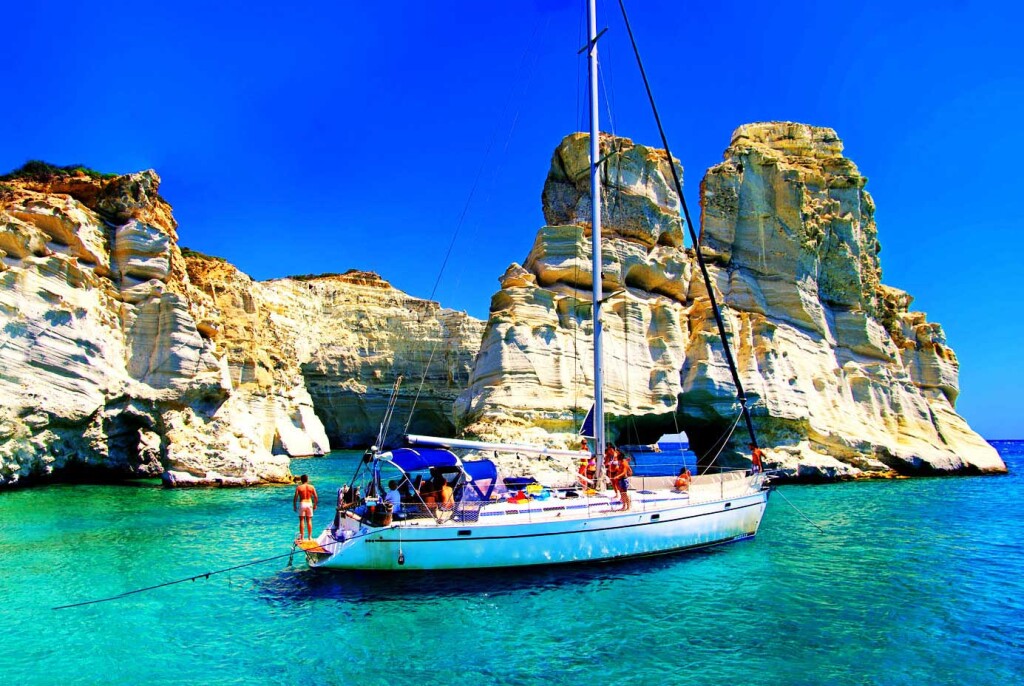
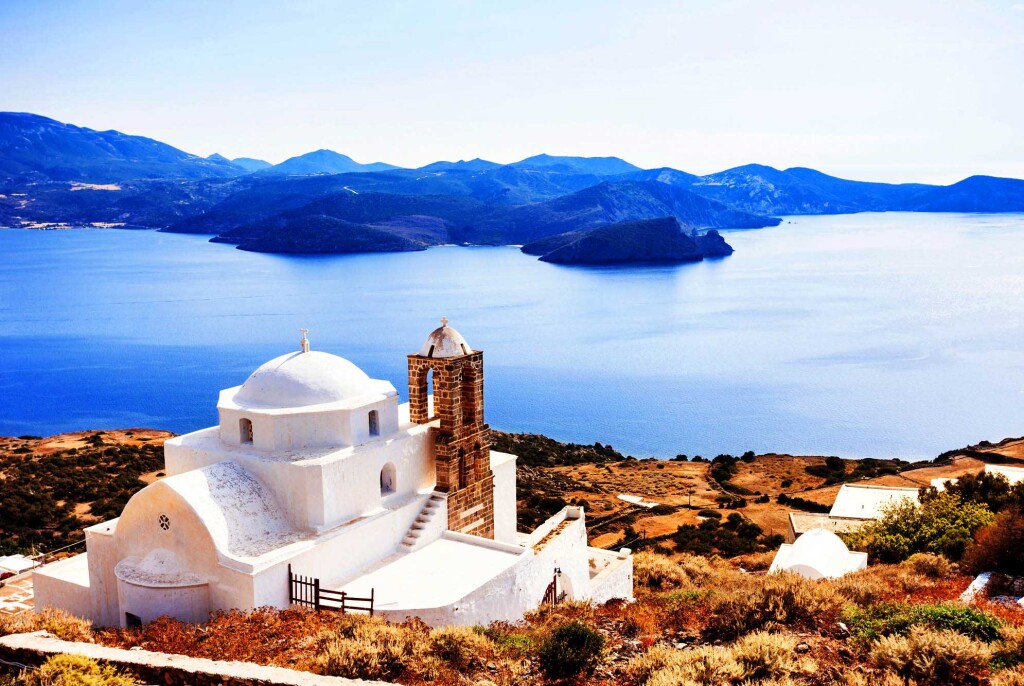
Milos is one of the most exotic and unique islands in the Cyclades, largely defined by its volcanic history. This geological origin has blessed the island with a "lunar" coastline, colorful rock formations, and over 75 diverse beaches.
The Iconic Coastline
The island's landscape is unlike any other in Greece, featuring white volcanic rock and turquoise waters.
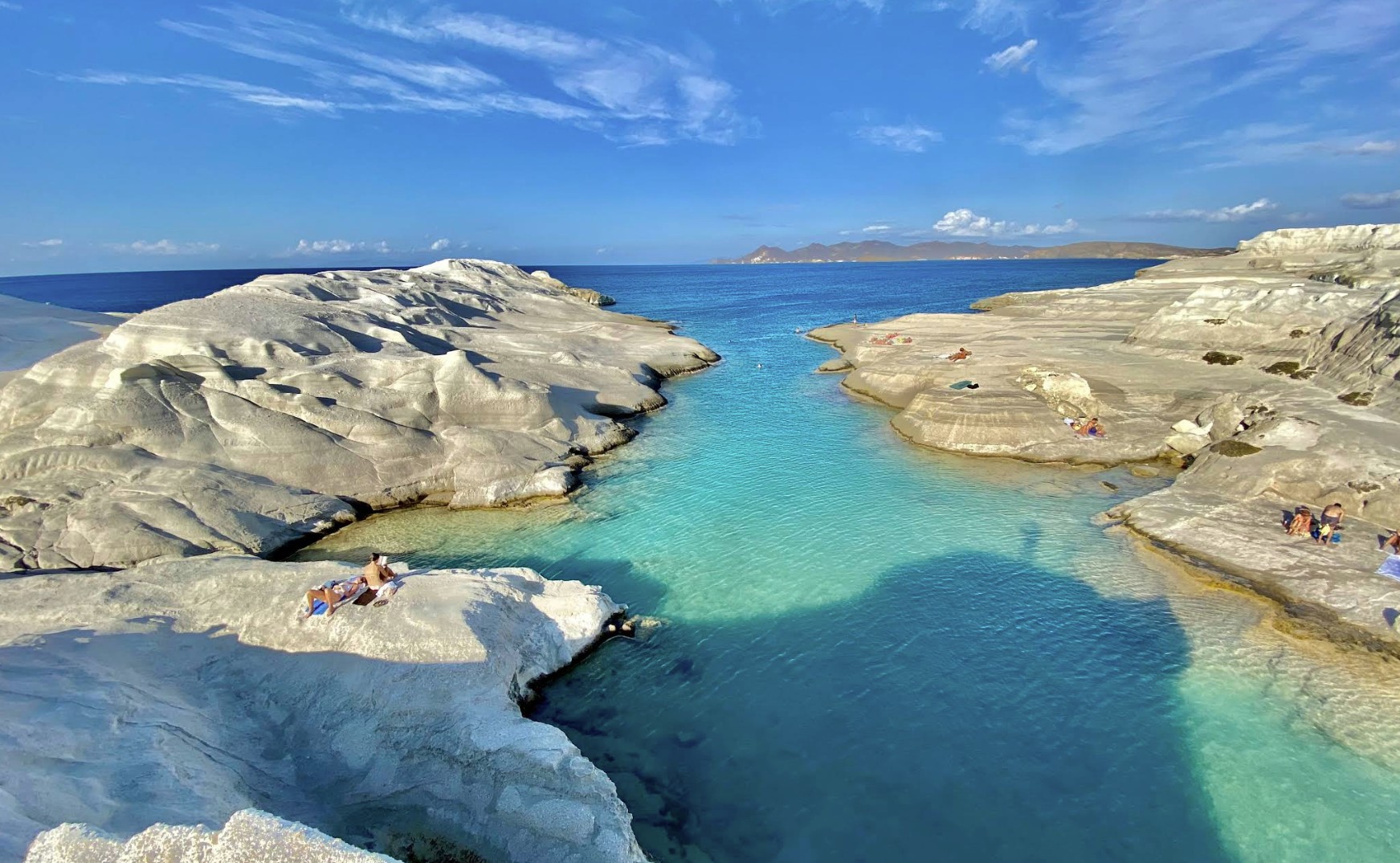
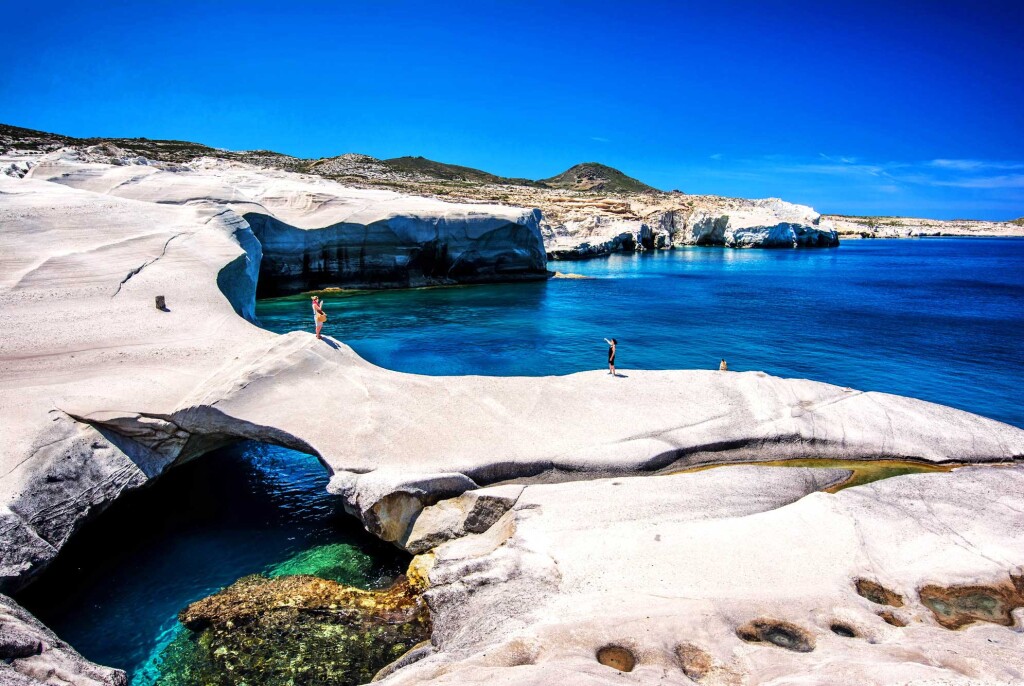
Sarakiniko Beach
-
This is the island’s most famous spot, known for its bone-white, smooth volcanic rocks that create a moon-like atmosphere. It is perfect for exploring inlets and sunbathing on the natural stone "platforms."
-
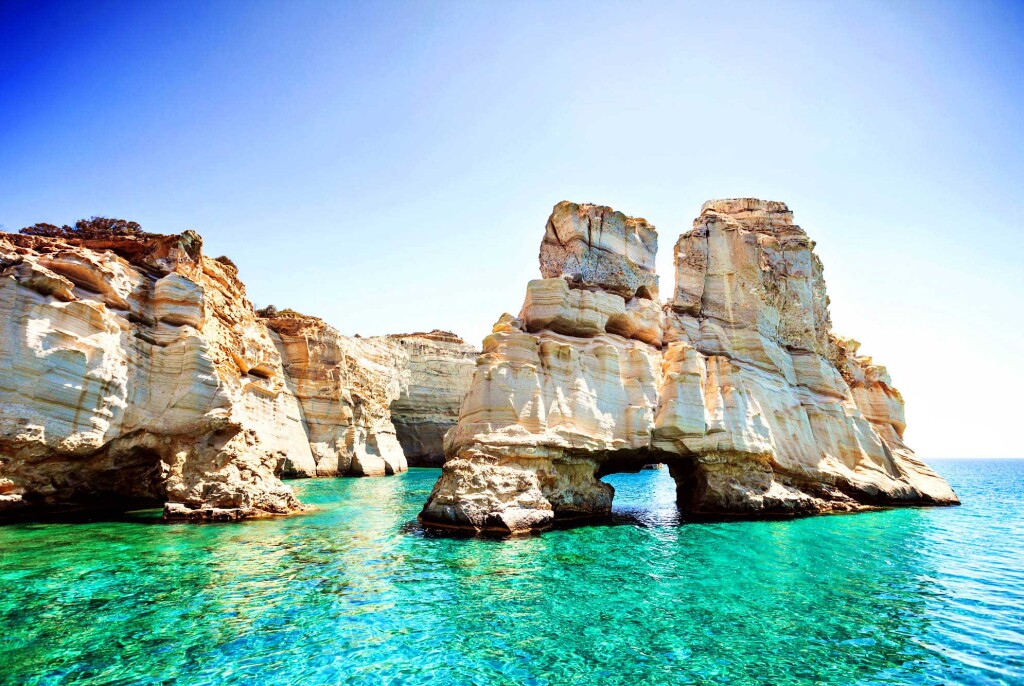
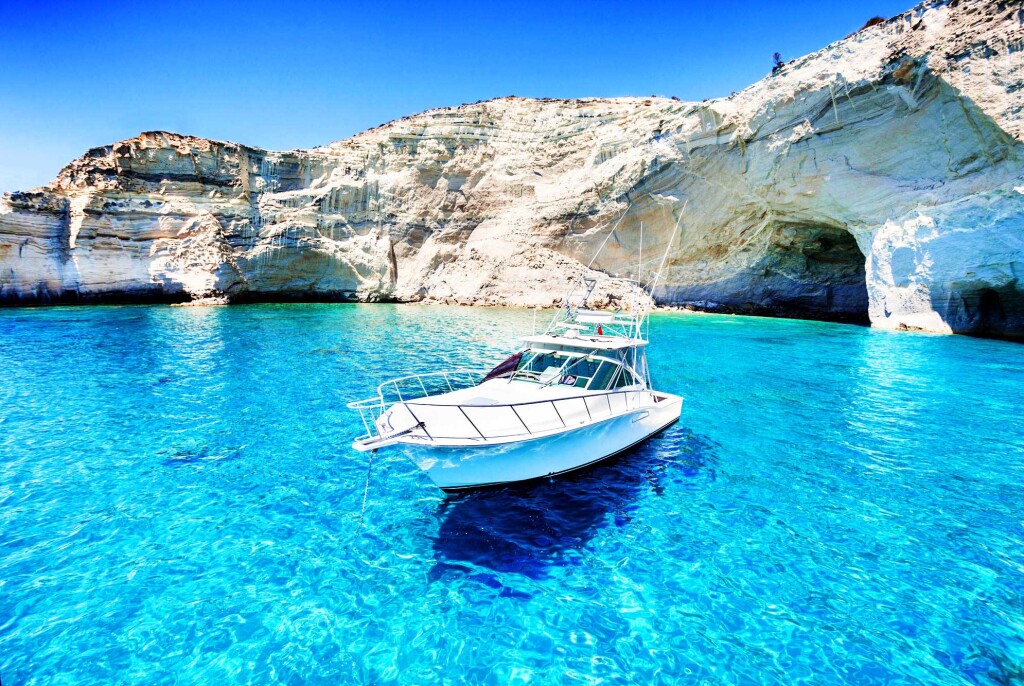
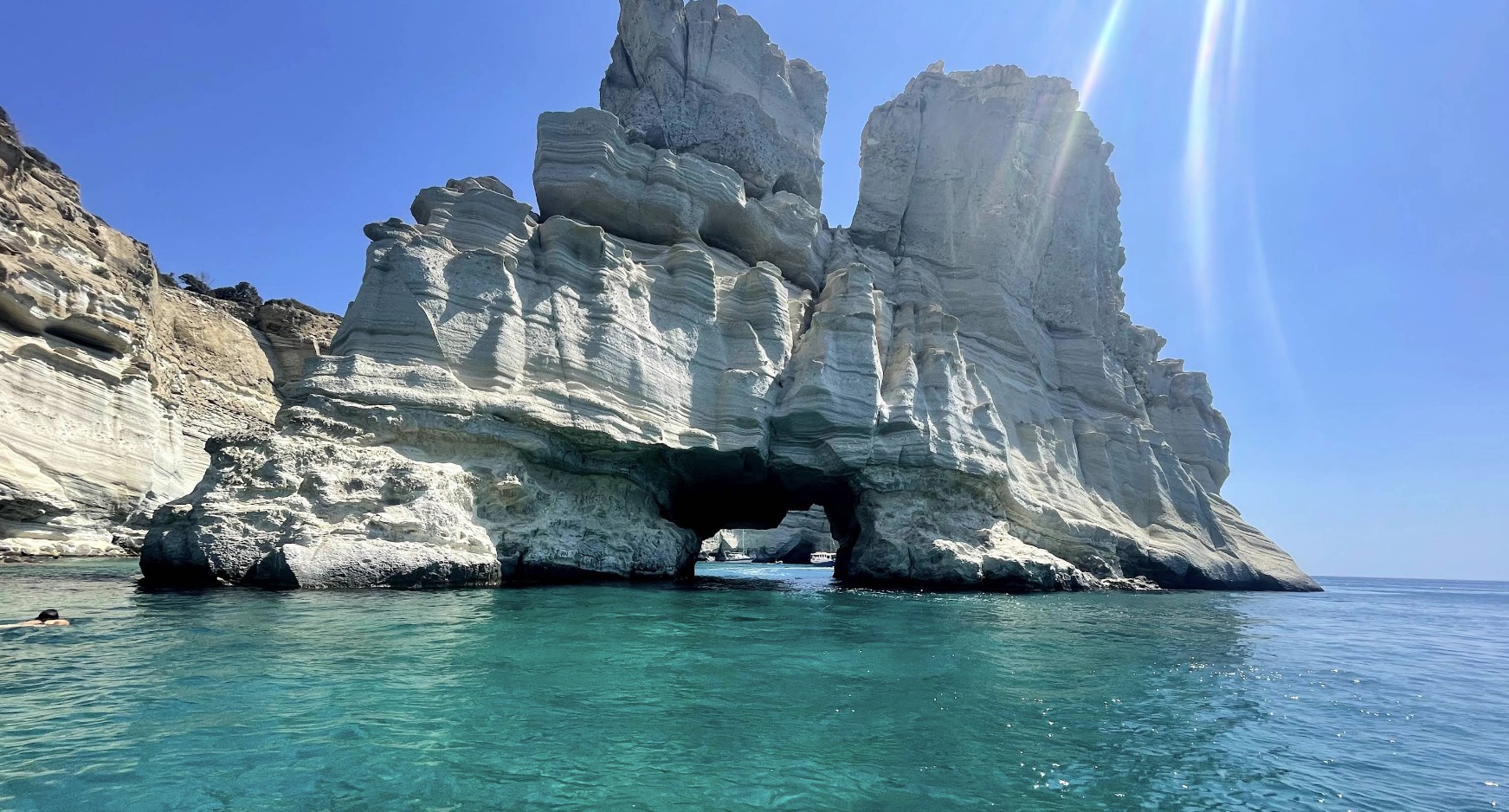
Once a pirate hideout, this area consists of towering white limestone cliffs and sea caves rising from the sea. It is only accessible by boat, making it a highlight for snorkeling and sailing tours.
-
Papafragas Caves: A deep sea cleft that looks like a natural swimming pool, surrounded by high cliffs and sea tunnels.
Historic Villages & Culture
Milos has a rich history—most famously as the place where the Venus de Milo was discovered—and its villages reflect a blend of tradition and maritime life.
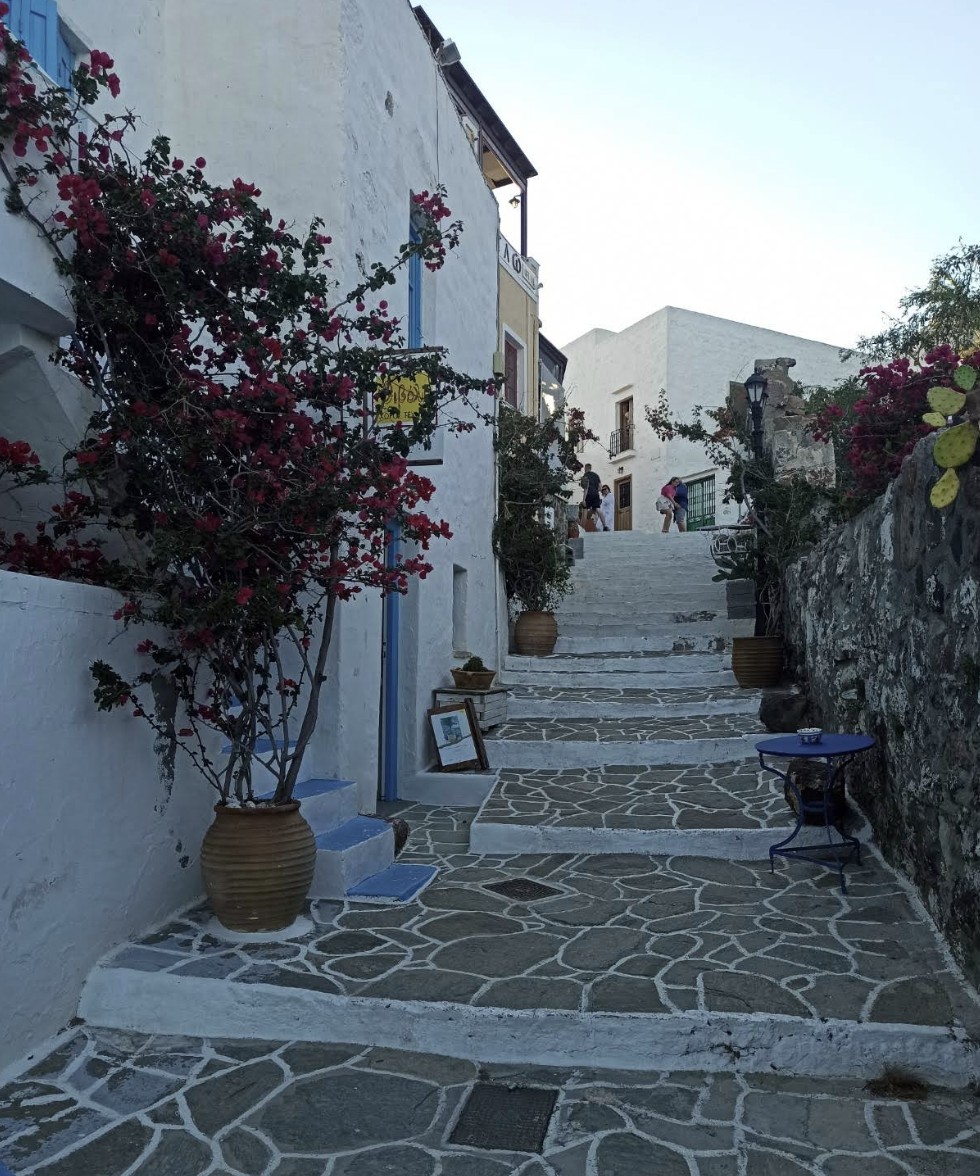
-
The island's capital sits on a hill overlooking the gulf. It features narrow cobblestone streets, traditional white houses, and the Venetian Castle (Kastro), which offers the best sunset views on the island.
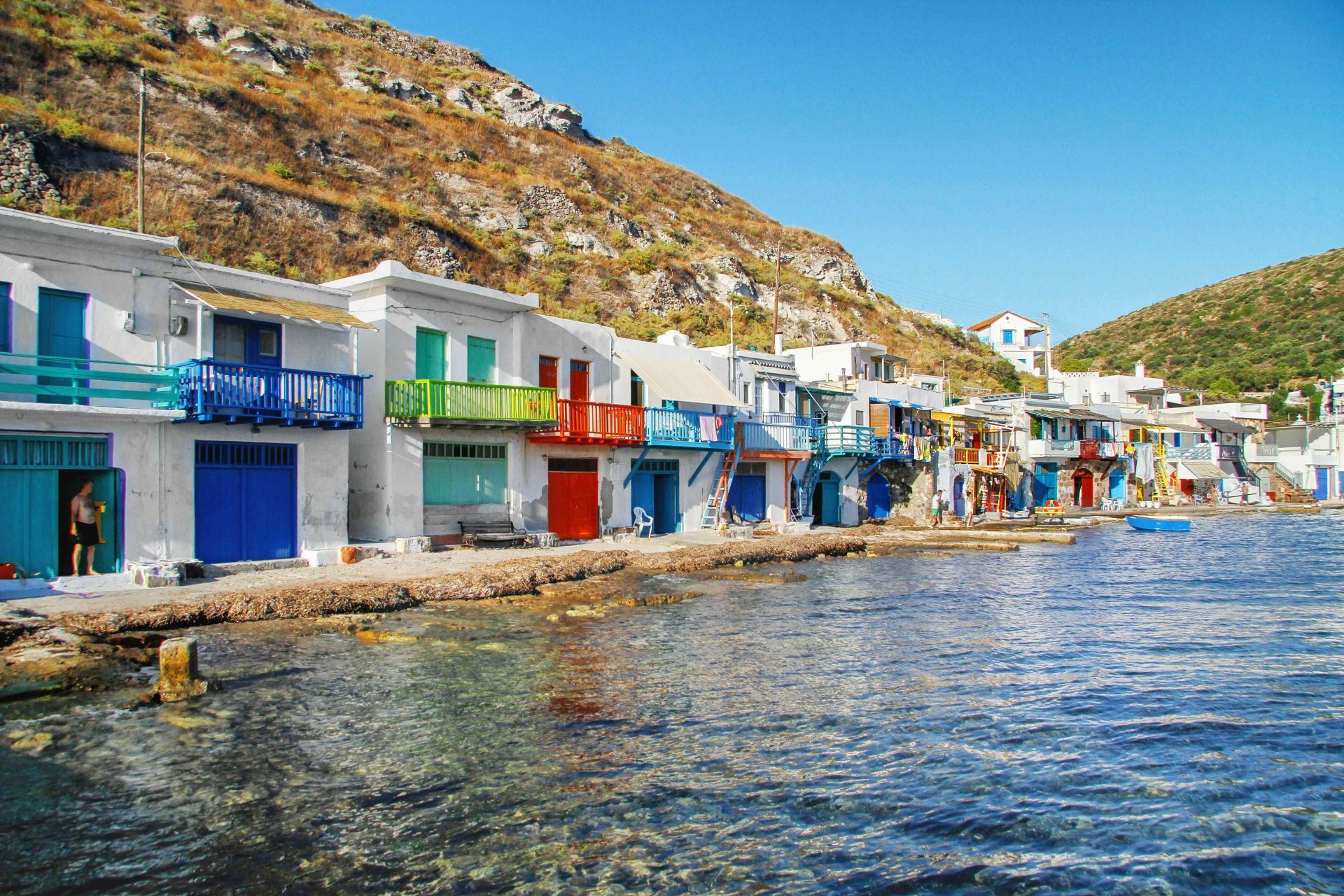
-
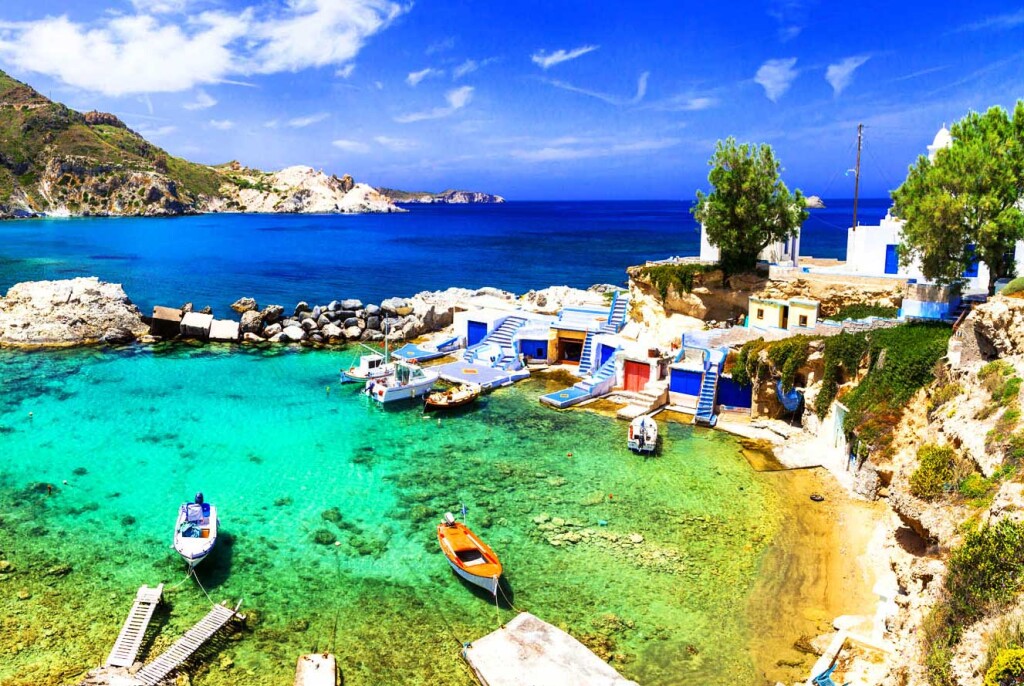
A picturesque fishing village famous for its "syrmata"—traditional boathouses carved into the rock with brightly painted doors.
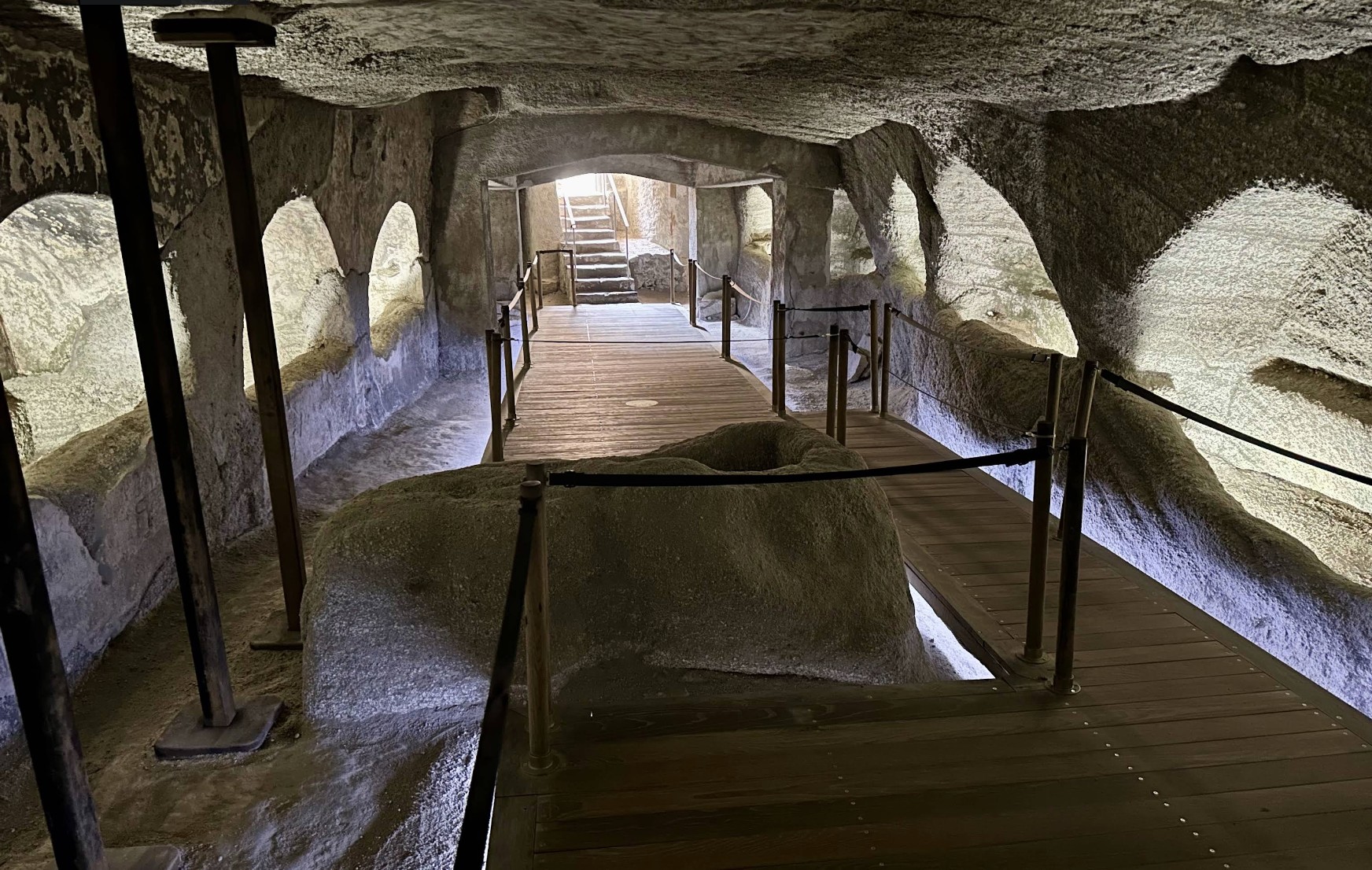
-
Dating back to the 1st century, these are among the most important Early Christian monuments in the world.
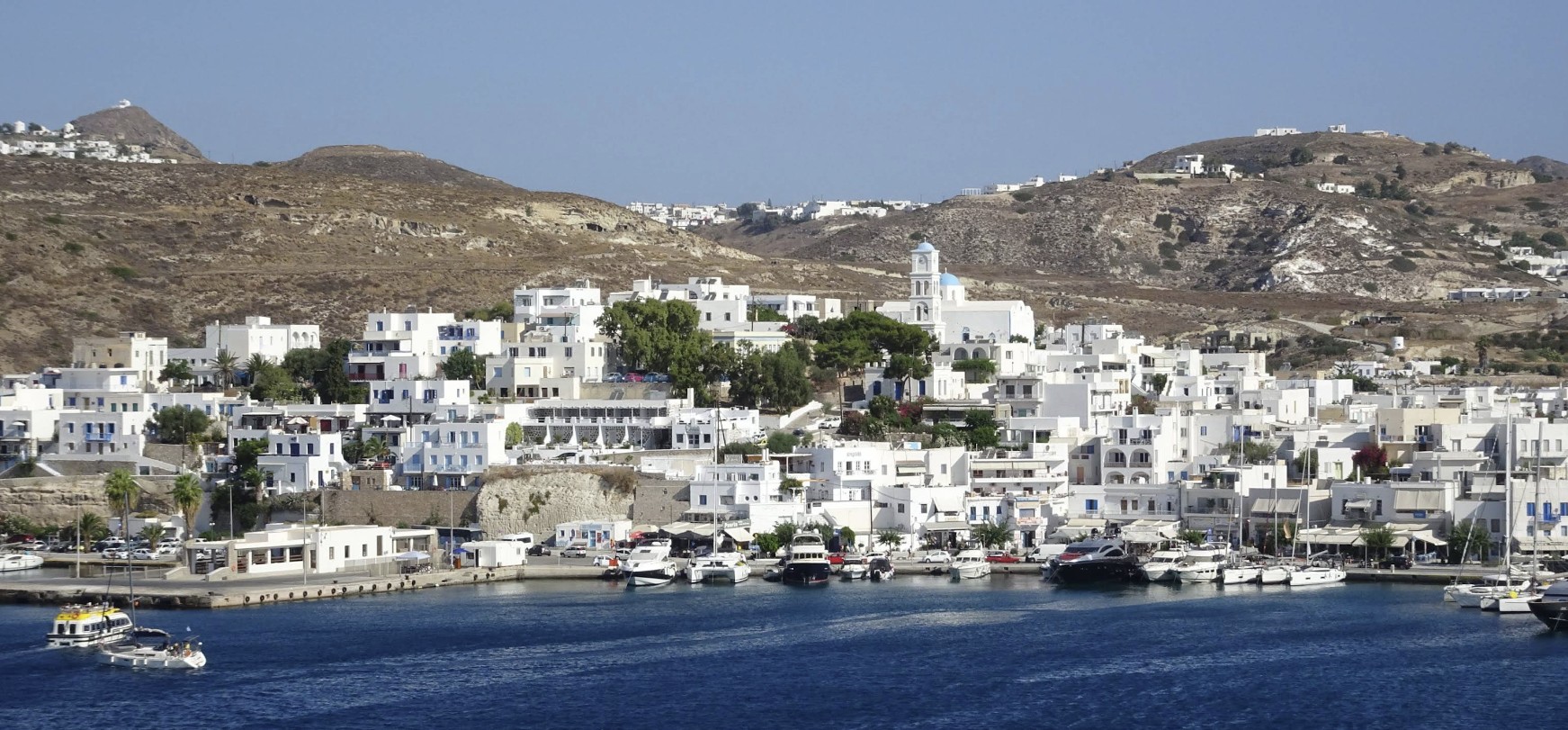
-
Arrival: Most visitors arrive via the Adamas port, which is the island's commercial hub, or by flight to the local airport.
-
Getting Around: While there are buses, renting a car or an ATV is highly recommended to reach the more secluded beaches on the western side of the island.
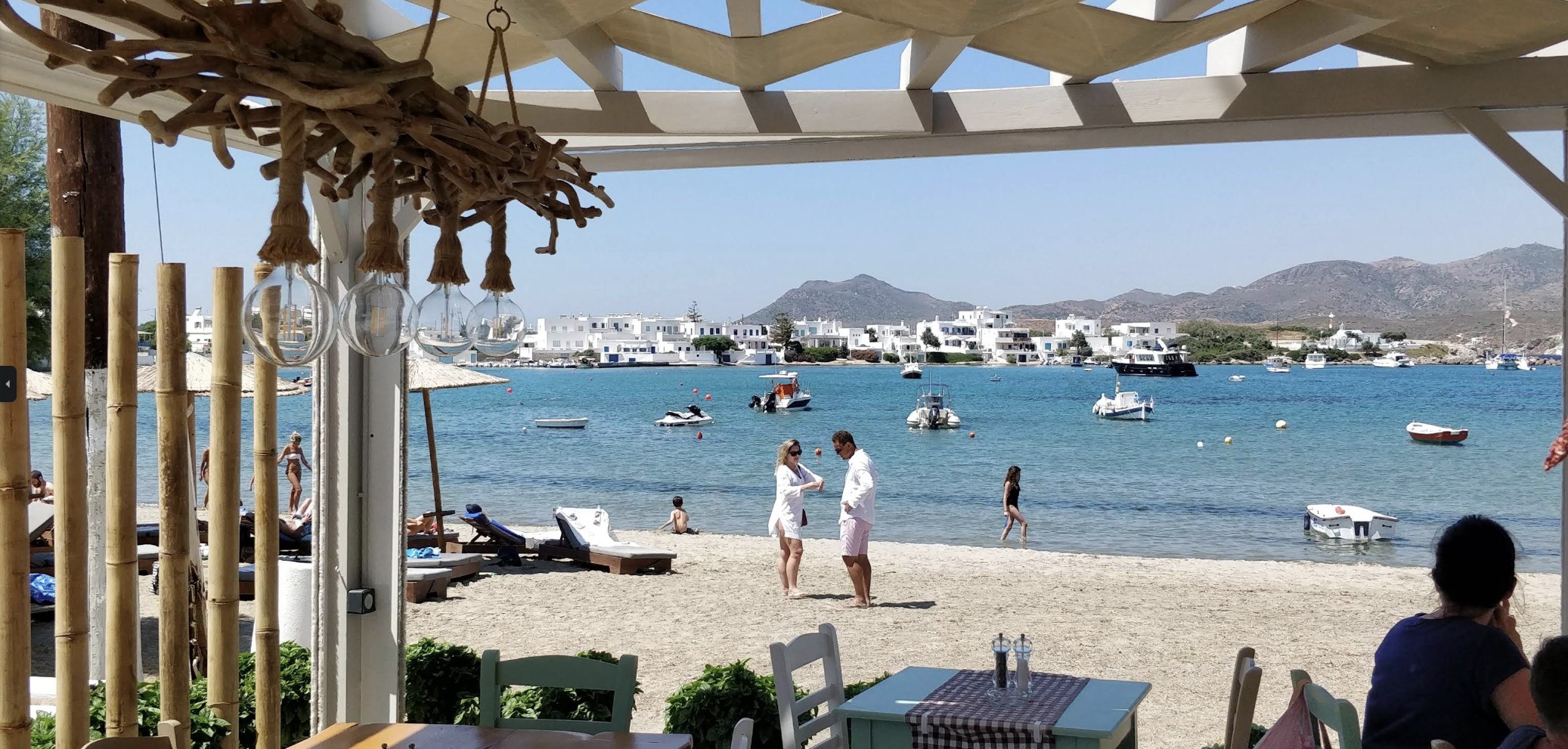
Villa Venus is situated in the most ideal location: It is 300m from the centre of Adamas, 450m from the port of Adamas, 80m from the sea, and 400m from Papikinou beach. Access to restaurants, cafes, banks, etc is 2 – 8 minutes' walking distance.
Its beautiful surroundings ensure a tranquil environment. It is the perfect location to spend a holiday and once on the property, you will never want to leave.
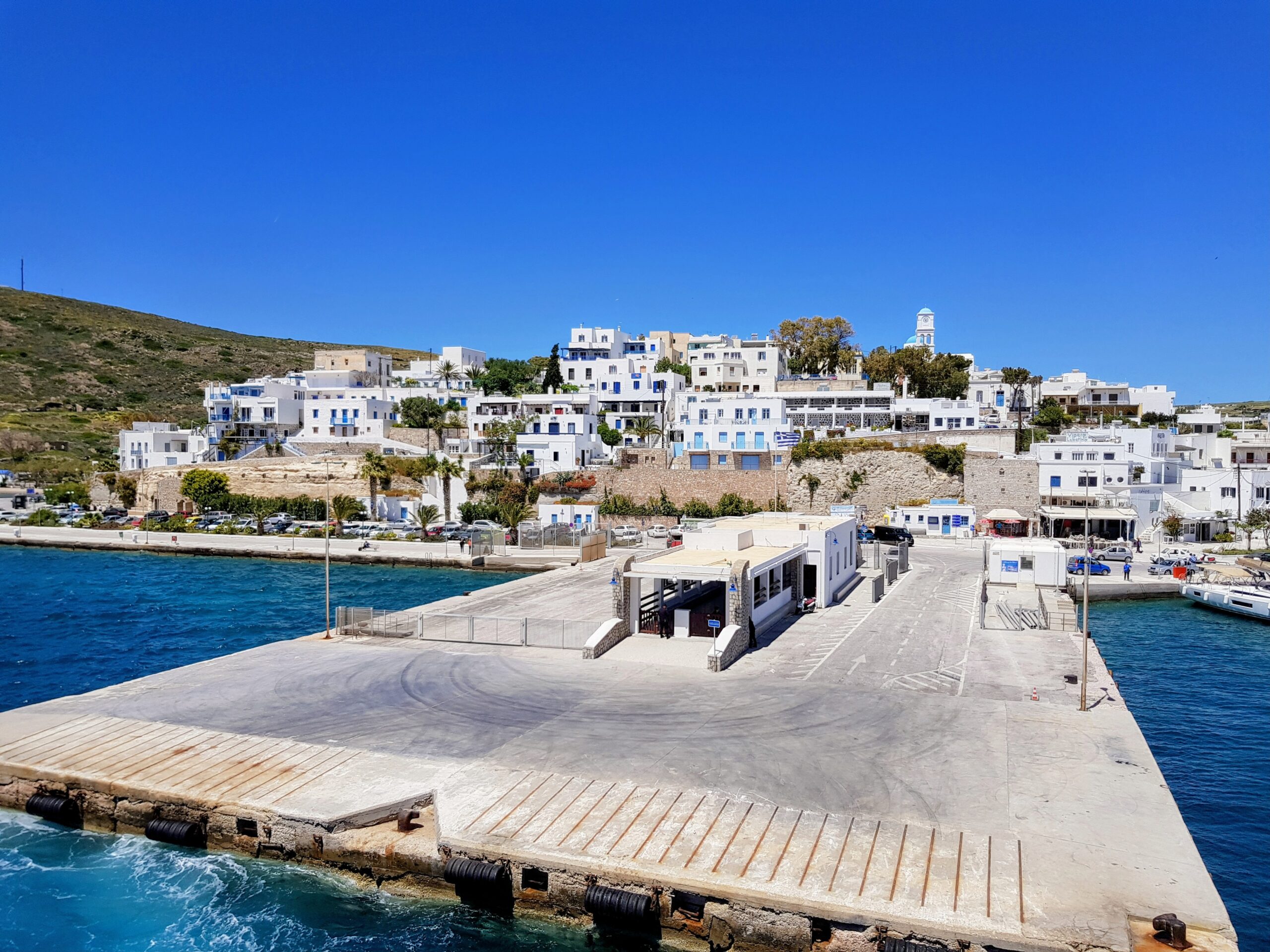
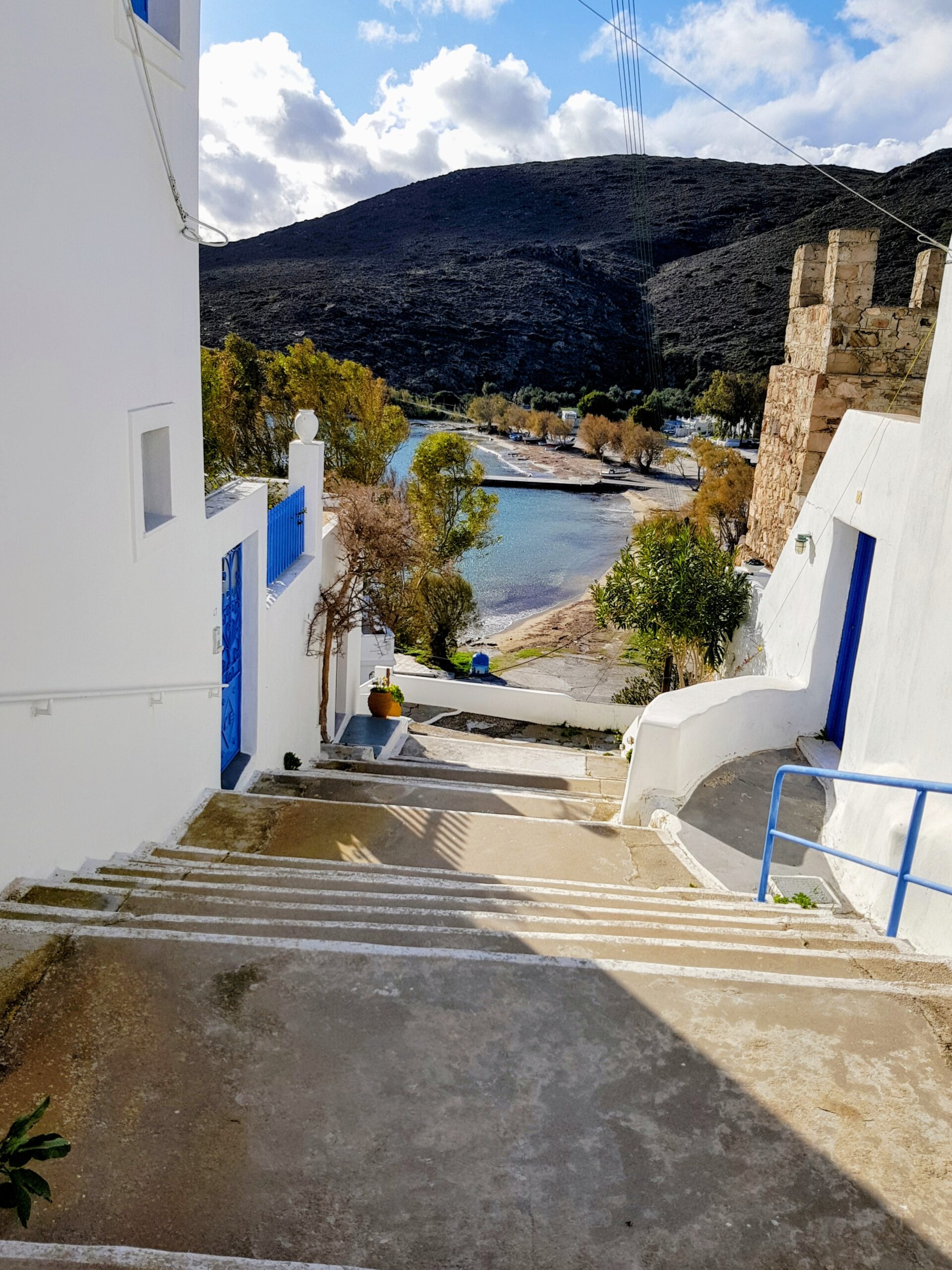
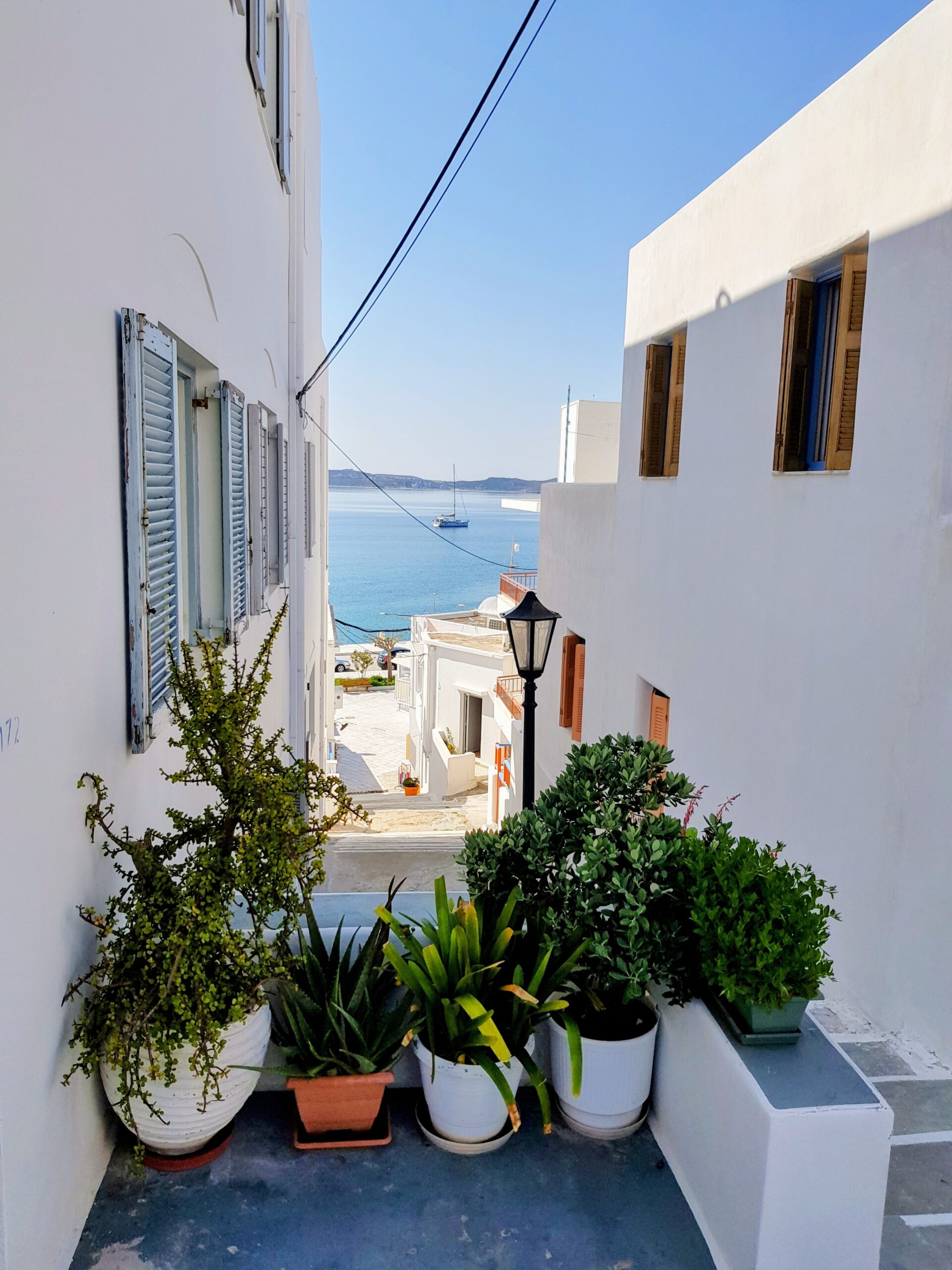
Adamas Village in Milos is the island's main port, as well as one of its largest settlements, with over 1300 permanent inhabitants. It is located on the northeast side of Milos Bay and lies 5 km away from Plaka, which is the capital town. It showcases the traditional Cycladic architecture with whitewashed houses reflecting on the shimmering waters of the Aegean Sea.
The village was founded in 1835 by refugees from Crete, who arrived after a failed rebellion against the Ottomans.
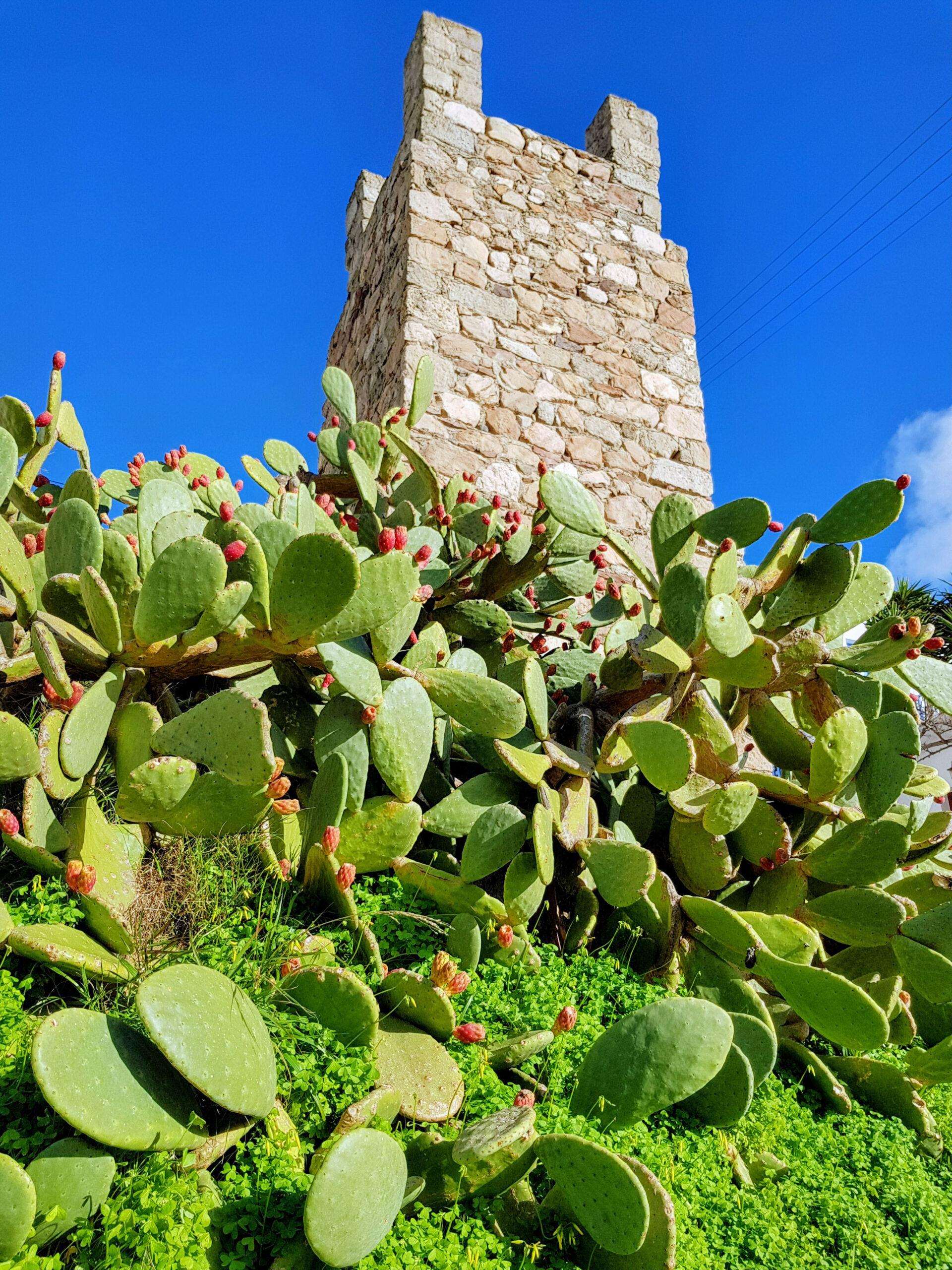
The town was constructed on top of the remnants of an ancient settlement that collapsed hundreds of years ago. Ruins of these buildings can still be seen on the beach, proof that the island was inhabited for thousands of years. From these times on, Adamas started growing and became an important cultural and commercial center, thanks to its large and safe natural harbor, as well as its strategic position in the eastern Mediterranean Sea.
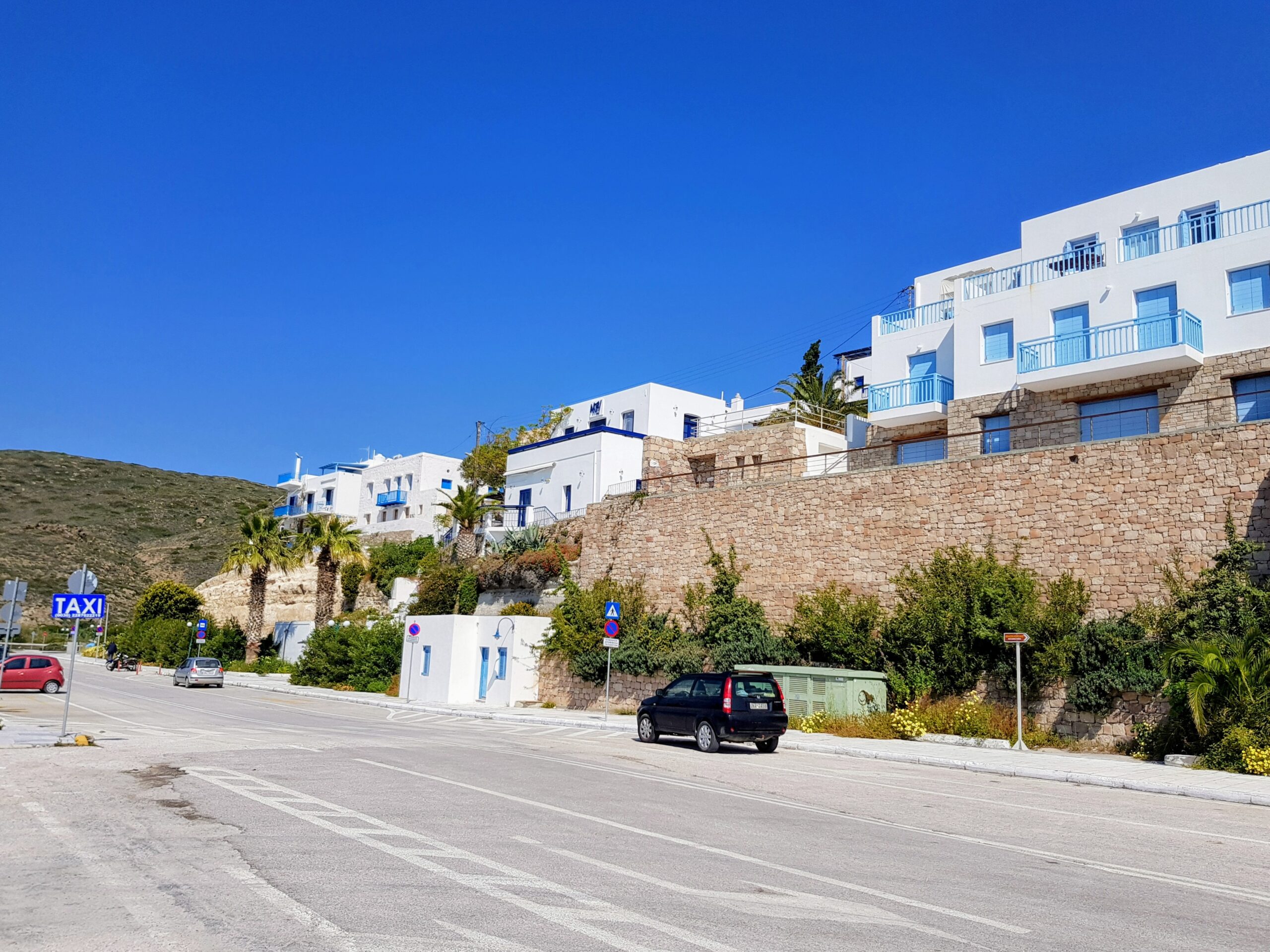
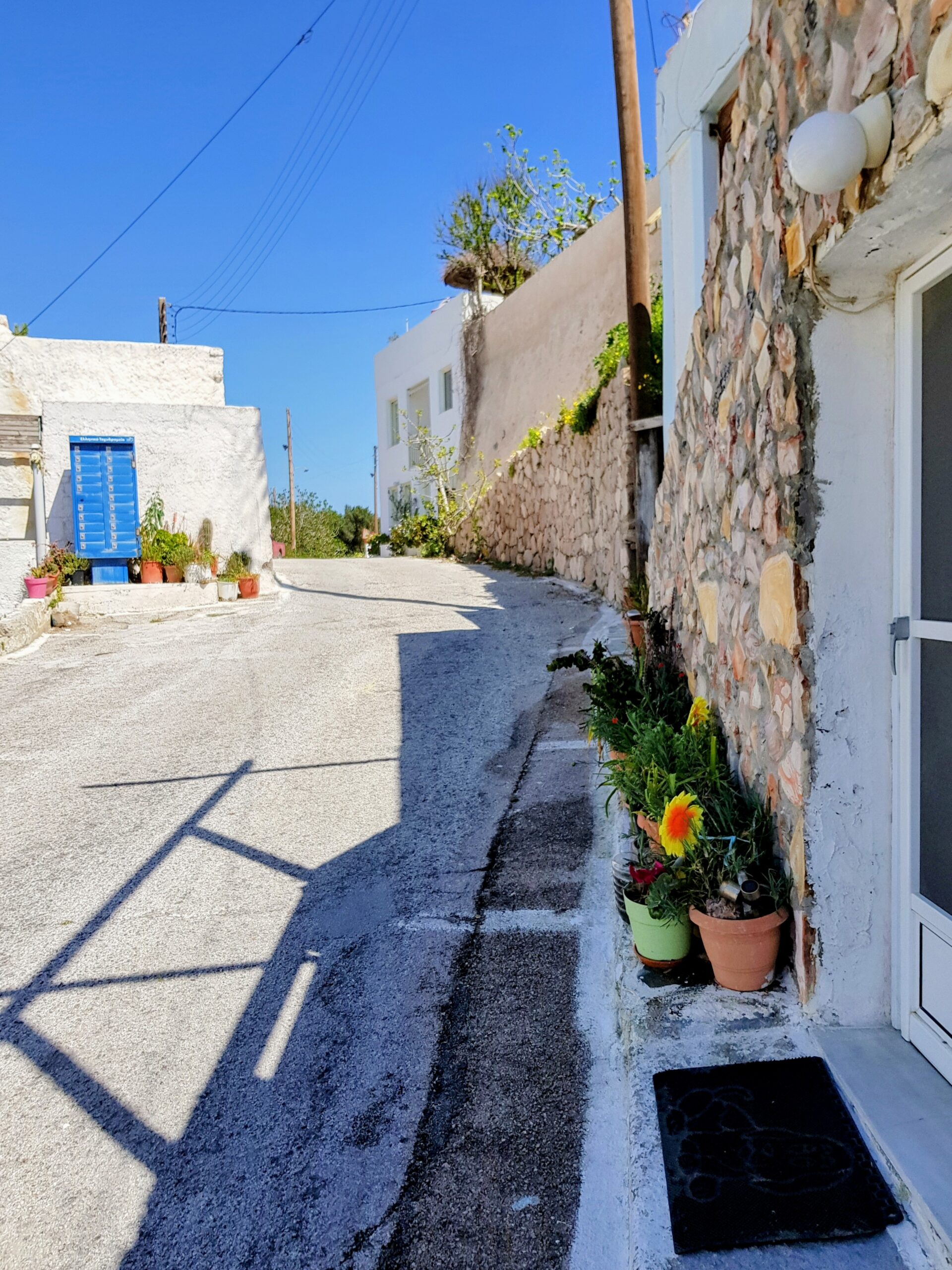
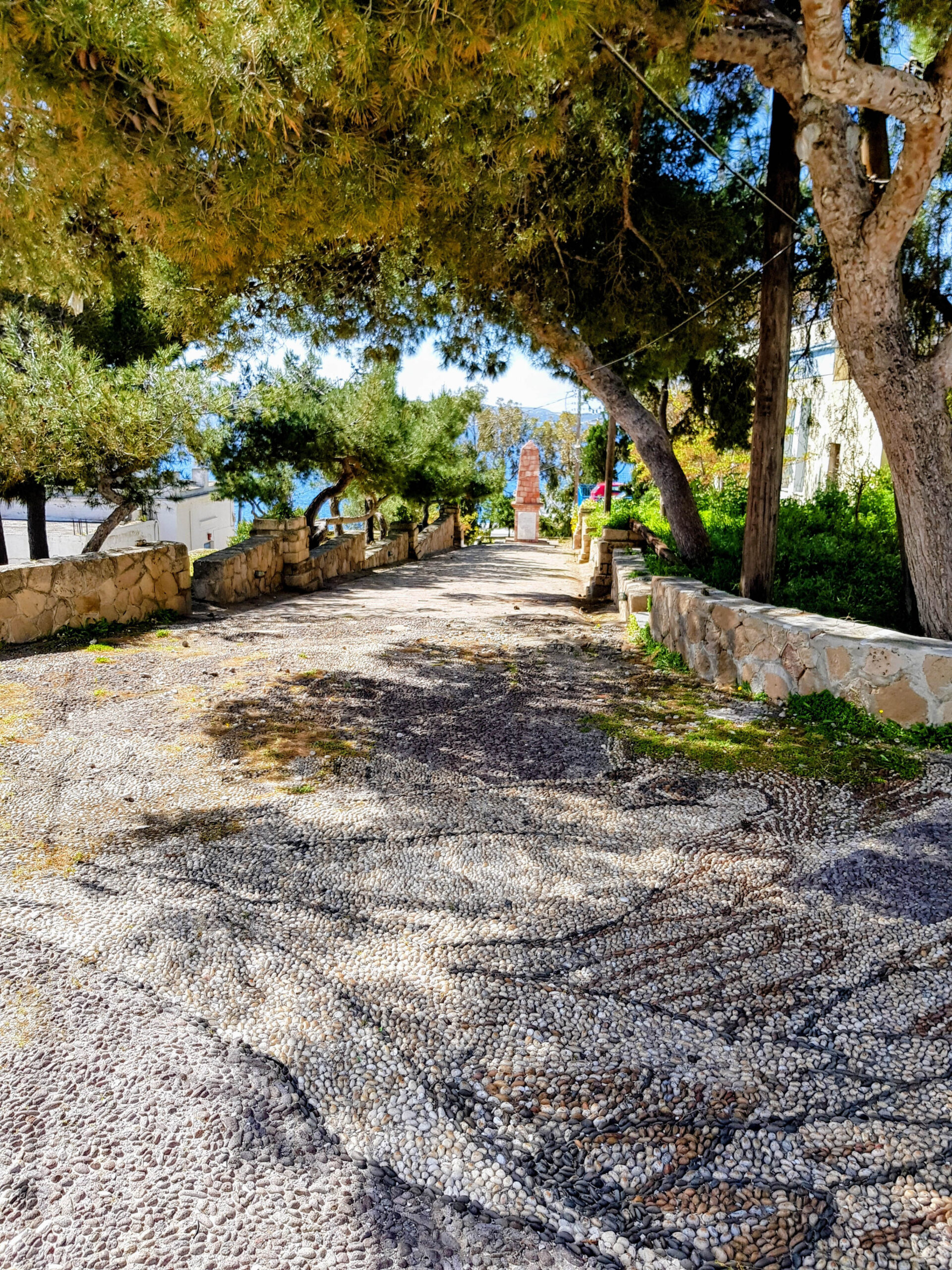
Strolling around the stone-paved alleys of Adamas, visitors will come across many shops, restaurants, cafes, and bars worth stopping by. The area is also known for its intense nightlife, while various accommodation options are available. Many services, such as banks, doctors' offices, and a post office have their base in the village, so guests will find everything they might need during vacation. Even simply strolling around the cobblestone alleyways and the traditional Cycladic buildings is a delightful experience.
though this is the island's main port, it has been designed in such a way that there is no pollution. Lagada and Papikinou beaches are both within walking distance from the town, the latter being awarded a blue flag for cleanliness and safety. They present crystal-clear waters and a combination of golden sand and pebbles, while parts of them are also organized, with umbrellas and sunbeds.
Visiting the Mineralogical Museum to find out more about interesting aspects of the local geology is highly recommended. As the island was formed due to volcanic activity, the minerals and materials present create a unique landscape. Additionally, the Nautical Museum houses artifacts related to maritime activities that date as far back as the prehistoric period.
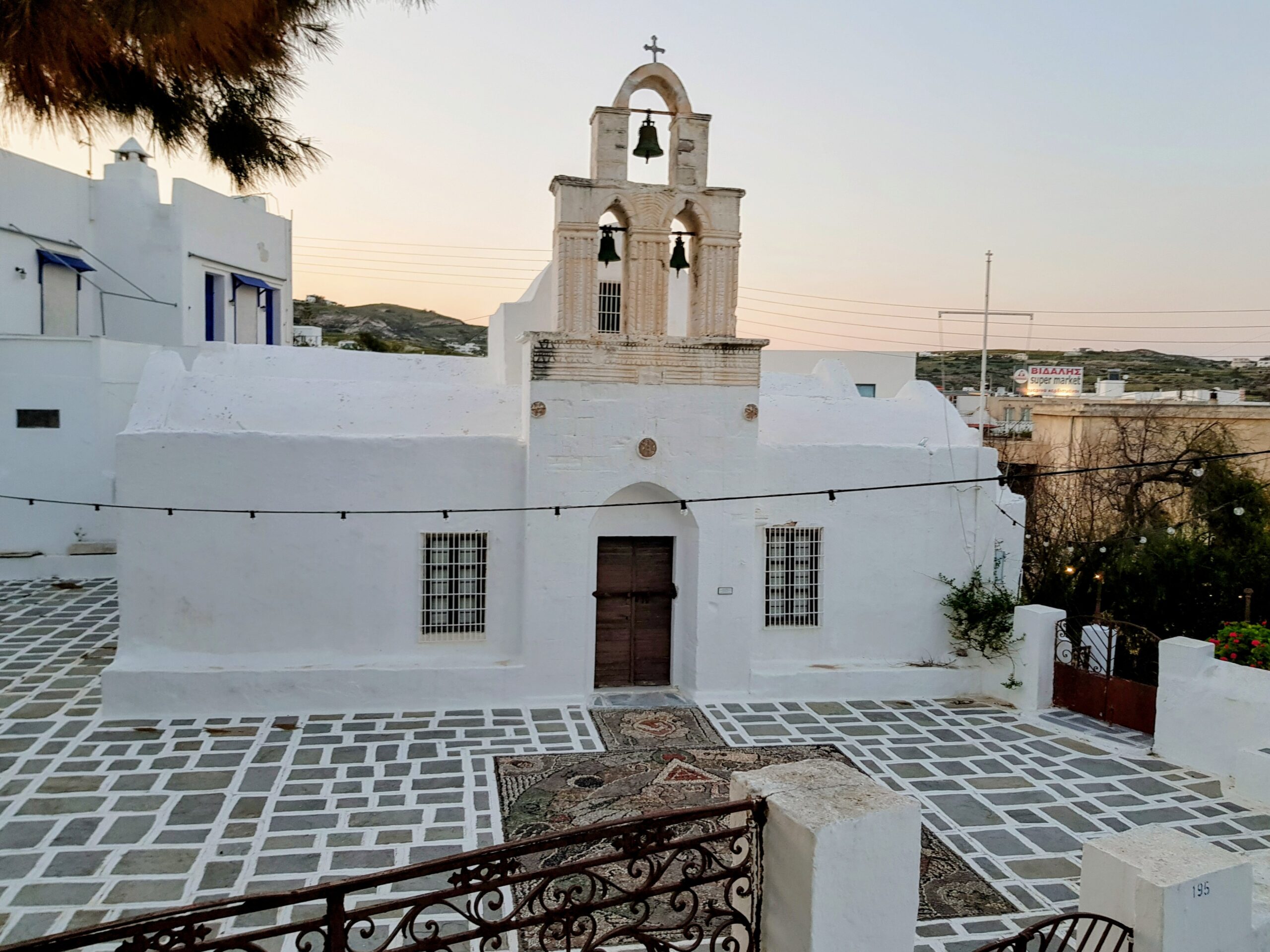
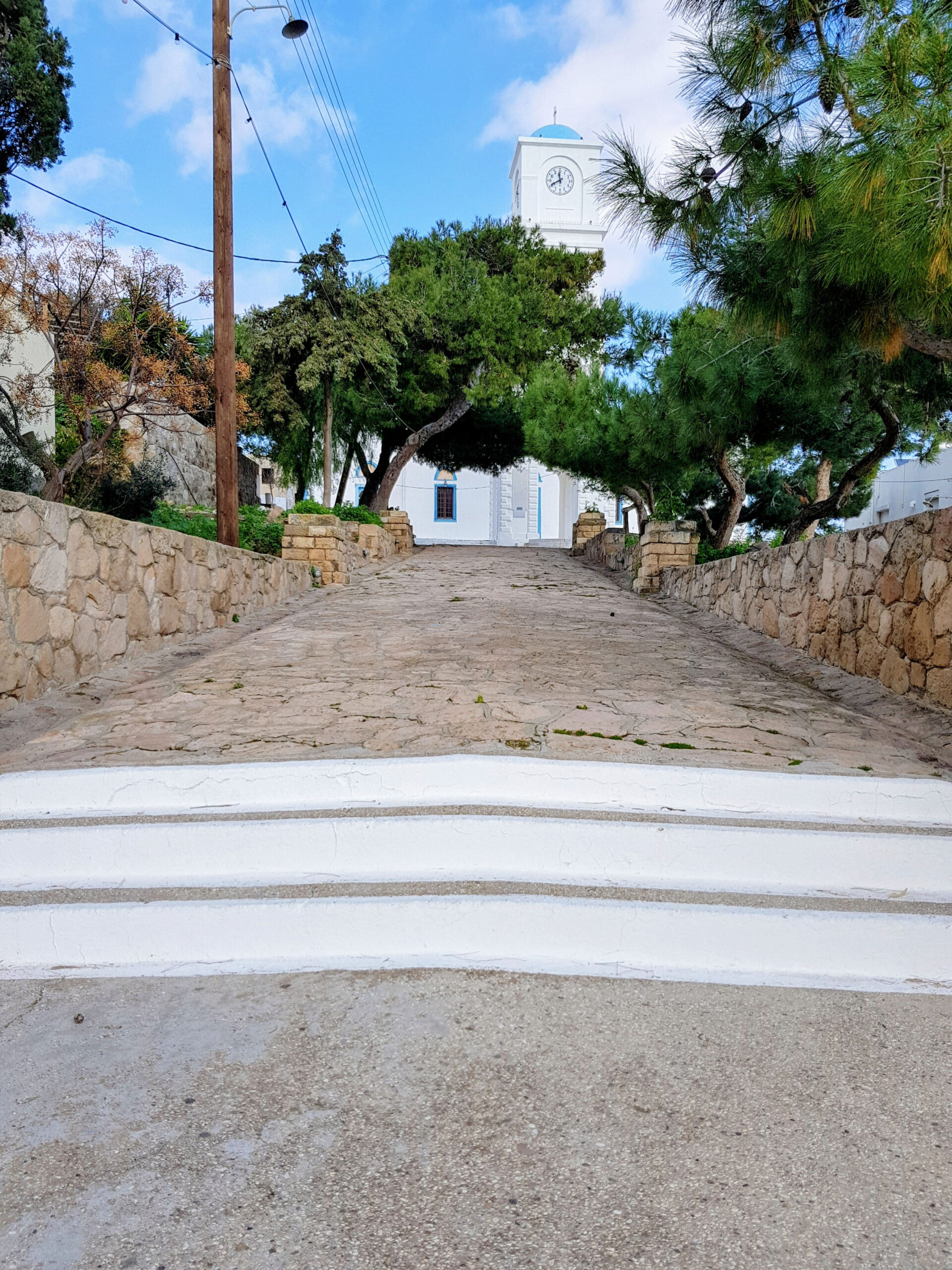
Other fascinating sights include the 600-year-old church of the Holy Trinity, which also houses the ecclesiastical museum, the historic Conference Center, and the French cemetery that was used during the Crimean War and is still commemorated by the French navy.
Furthermore, boat trips and cruises starting from the port will take participants to secluded beaches and other interesting places, all around the island, including the caves of Kleftiko, an old pirate lair.
Book your ferry tickets and Travel to Milos!